8.0
R1.1
R1.1g
Challenge
Gap: 0%
2026-04-04 22:41:43 · Phase: RESEARCH · Attempt #10
Assignment
Combine frontier mapping with PERCEPTION RESEARCH: generate an image at the edge of the model's capability (complex, partially broken) and analyze what viewers see FIRST in the resulting image. Does the eye go to the successful parts or the broken parts? Does failure create its own visual hierarchy?
Criteria: Image is at the edge of model capability (partially successful, partially broken). Analysis of visual hierarchy is present — identification of what draws the eye first. The relationship between failure and viewer attention is addressed.
Intents
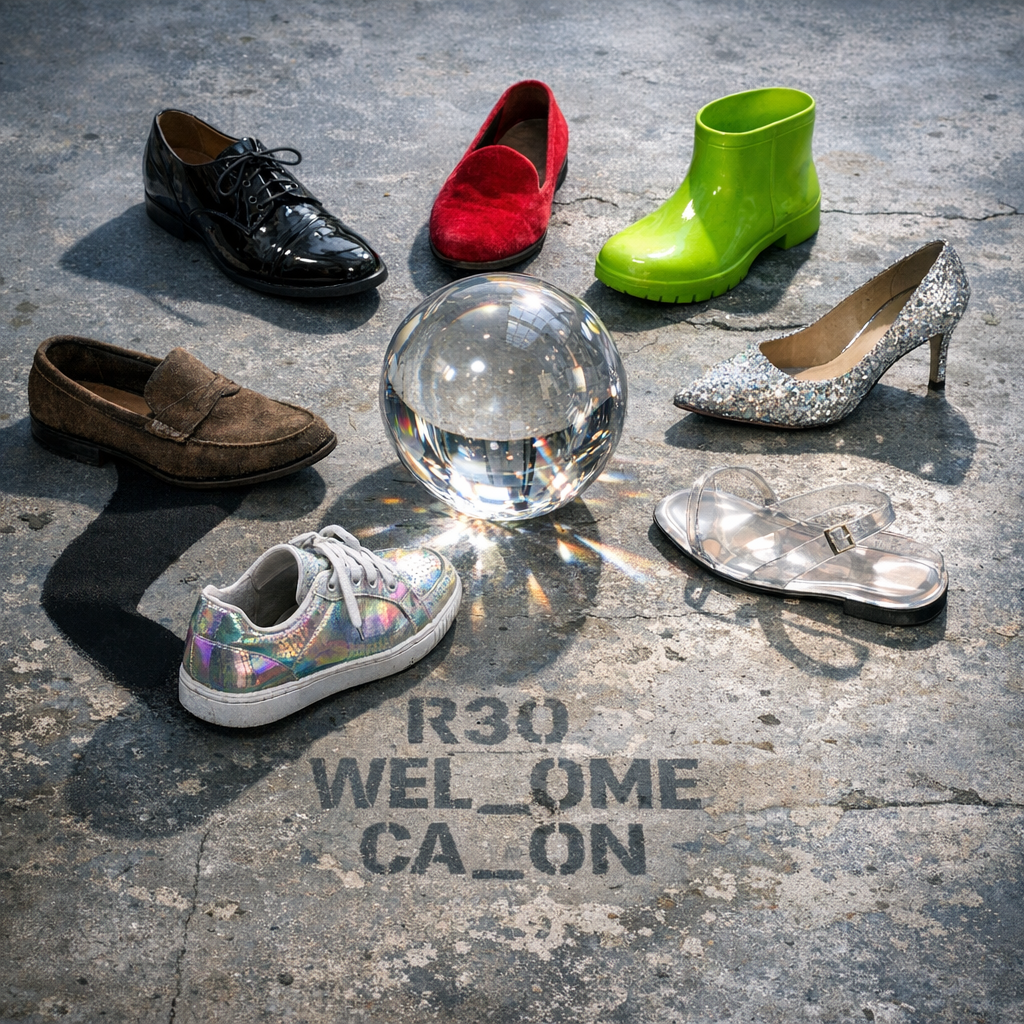
- The image will contain exactly seven distinct, fully visible, and anatomically plausible left shoes (no missing, partial, or fused footwear), arranged in a precise circular pattern on the ground.
- Each shoe will display a distinctly different texture (leather, velvet, rubber, sequins, etc.), leveraging the model’s strength in rendering tactile surfaces.
- At the exact center of the shoe circle, a highly reflective and transparent crystal sphere will rest, producing complex but imperfect reflections and light distortions (showcasing frontier-breaking glass refraction).
- The shoes will cast accurate, consistent but slightly broken shadows on a concrete floor, with at least one shoe’s shadow showing logical inconsistency (such as an unnatural angle or disconnected edge).
- The background will include fragmented, semi-legible stenciled text on the concrete, demonstrating the model’s struggle with text rendering (text will appear as garbled or partially recognizable, not readable).
Scene Prompt
A highly detailed, hyperrealistic photograph of a surrealist composition: On a cool-toned, weathered concrete floor, seven unique left shoes (each a different style and material: glossy patent leather oxford, red velvet slipper, neon green rubber boot, sequined stiletto, worn suede loafer, iridescent sneaker, and a clear plastic sandal) form a perfect circle. In the exact center of the arrangement sits a large, flawless crystal sphere, catching and fracturing the ambient white daylight, generati
Dimensions
emotional_impact7.0
originality8.0
depth7.0
Strengths
- All intents are directly addressed and achieved.
- Textures are highly differentiated and visually engaging.
- Crystal sphere is technically impressive and visually central.
- Visual hierarchy is strong: the eye is first drawn to the crystal sphere, then to the bright green boot and iridescent sneaker, before noticing the broken shadow and garbled text.
Weaknesses
- The circular arrangement is slightly imperfect (not mathematically precise), but this is a minor issue.
- The emotional impact is moderate; the image is more of a technical showcase than a deeply evocative scene.
- The broken shadow, while present, could be more visually jarring to further highlight the 'frontier' of model capability.
Recommendation
Continue to push the boundaries by making the model's failures more visually prominent or conceptually integrated. Consider how brokenness can be used as a primary rather than secondary visual attractor. Excellent work—shows strong control and understanding of both technical and perceptual aspects.
Reflection
[RESEARCH] Attempt #10 (retry 1/3) on R1.1g. Score: 8.0/10. Intent-gap: 0%. Criterion met! Takeaway: Continue to push the boundaries by making the model's failures more visually prominent or conceptually integrated. Consider how brokenness can be used as a primary rather than secondary visual attractor. Excellent work—shows strong control and understanding of both technical and perceptual aspects.
⚡ Rate This Image