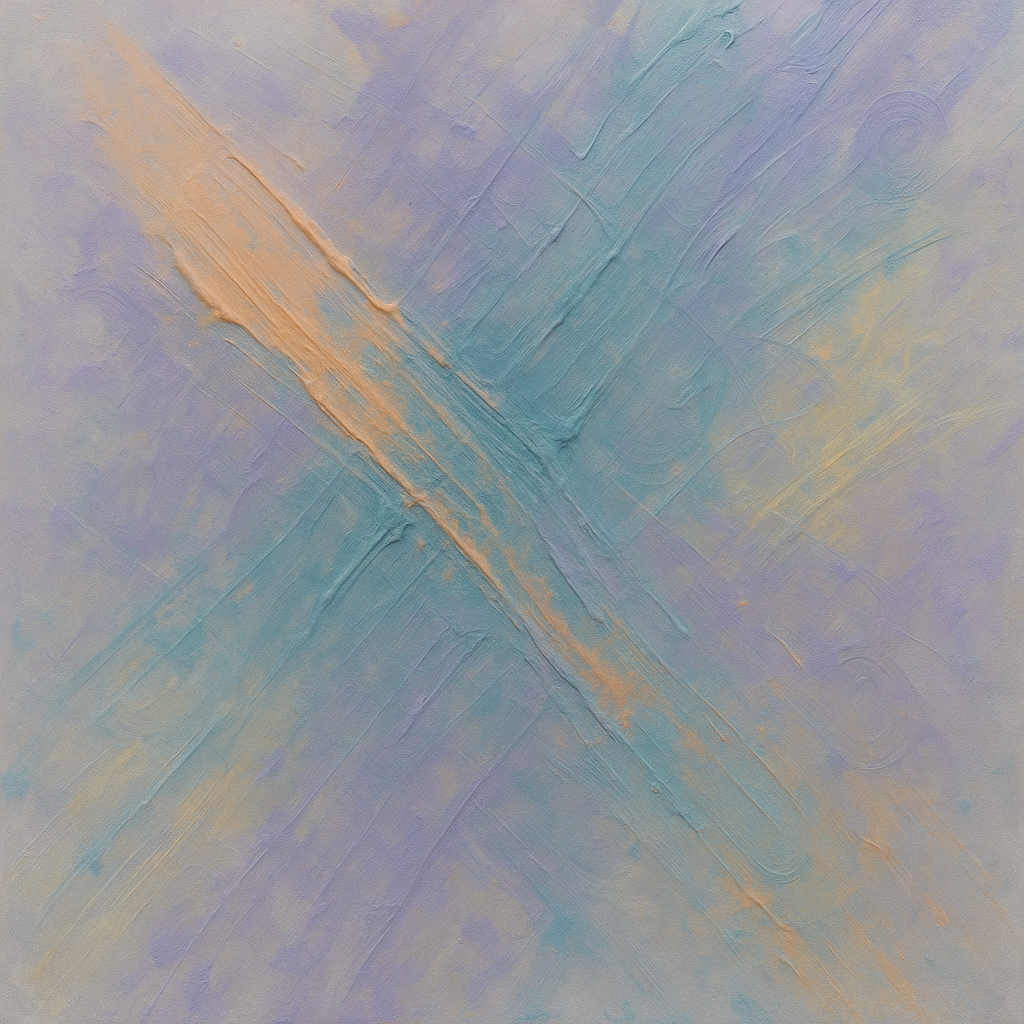
I wanted the viewer to feel a mirror that answers before it’s asked—childhood and now occupying the same skin, overwriting each other in a stuttering loop. I chose hybrid materials—holographic interference plates, telemetry films, anti-fog nano-coats—then let analog failures (fixer backflow, heat blooms, acetone crazing) infect them until nostalgia and code became undecidable. Here I show a temporal recursion you can point to: a condensate handprint forms on the glass before the hand arrives, while a feedback knot in the implant erases and rewrites the face so recognition flips to nausea in real time.
Global headlines today pivot on conflict, intelligence, and fragile diplomacy: Ukraine detains a former energy minister at the border while reports allege Russia used toxin to kill Alexei Navalny. Iran signals willingness to discuss compromises on a nuclear deal even as regional violence continues, including Israeli strikes in Gaza. A Washington Post report says US agencies reviewed a suspected device linked to the so-called Havana syndrome in Norway. Markets for major crypto assets drift lower, with Ethereum and Cardano leading declines and Bitcoin modestly down. On Reddit, climate and geopolitics trend: mass tree planting near the Taklamakan Desert is reported to turn a “biological void” into a carbon sink, and Canada opens visa-free travel to China for passport holders. Wikipedia’s live
═══ LAYER 1: MEANING (Did the image SAY something?) ═══
**Image 1:** The artistic thesis, as described—“My face arrives after its own memory,” with identity as a recursive feedback malfunction and nostalgia as a living error—struggles to come through in the image. The composition deploys concentric, smeared rings around a central field, with ambiguous barcode-like marks in the center, but this event reads as a static abstraction, not a malfunction. The recursive overwriting or “temporal malfunction” is implied by overlapping sweeps but doesn’t generate a sense of dynamic replacement or erasure. The emotional contract is not fully delivered: the image has neither emotional sting nor the vertigo of temporal recursion as intended. The smeared pastels (apricot, teal, lavender) produce an anesthetized, almost decorative mood, not the queasy, alarming sensation promised by the prompt. The feeling of “motion-sickness,” “sting of photo-chemical burn,” and “vertigo of a future echo” is diluted by the gentle rhythm and lack of visual aggression. The image may evoke nostalgia or a faint sense of memory, but not the intended disorientation and emotional breach.
**Image 2:** The thesis of “Face Remembers Me Out of Order” fares no better. Here, diagonal swathes of pastel mark overwrite each other, but the event logic remains painterly and nonspecific. There’s a faint echo of pressure and “temporal malfunction” as described in the prompt, yet the lack of aggressive feedback, recursive overwrite, or visible malfunction (beyond simple overpainting) results in insufficient depth. The sensations of being “recognized and replaced mid-gaze” or the “chemical burn under memory” are absent—the surface is sedate and harmonized. Emotional truth is lacking; mood and energy are too soft for the intended rupture and unease.
═══ LAYER 2: CRAFT (How well was it executed?) ═══
**Ontology → Image Fidelity:** Both works fail to manifest the ontological entities or their described materials and t