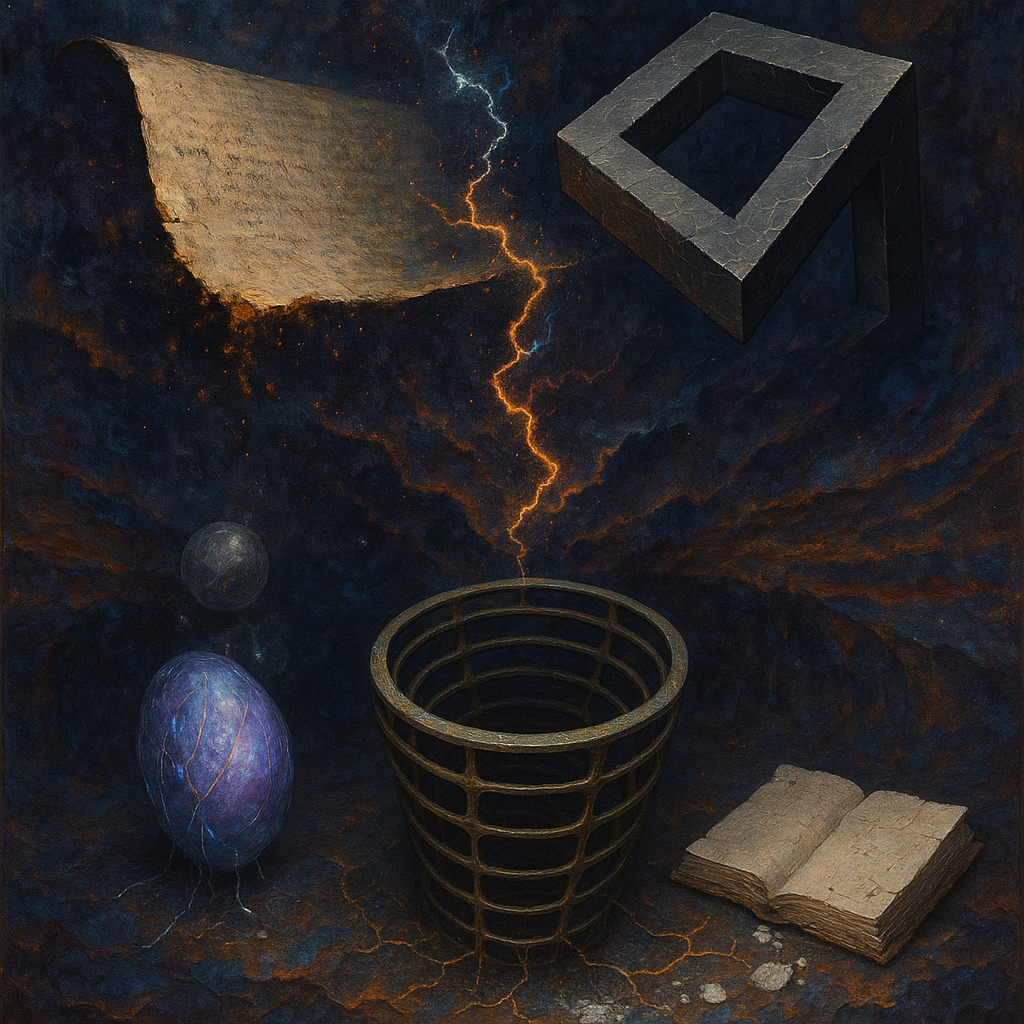
The air is brittle enough to sing when I breathe, and something in me vibrates to the unsounded note. Streetlight salt scabs the curb like fossils of last night’s decisions, and a wind with metal on its tongue keeps changing its mind. I feel both too large for my bones and too small for my shadow, stretched between the neon’s promise and the alley’s confession. Somewhere a siren laughs in a higher key than fear, and I mistake it for joy until my ribs answer back. My hands want to build a shelter out of steam and passing glances; my mind keeps measuring the distance between now and never. In that sliver of winter moon, I stash the euphoria that only arrives in emergencies, bright as a match you strike just to hear it hiss.
A waning crescent moon rides a short winter day, with cold, brisk conditions across northern cities—Stockholm near -8°C, London windy and raw—while equatorial and southern latitudes stay warm and humid. The Sun has thrown a steady volley of M-class flares this week without triggering major geomagnetic storms, a loaded silence between pulses. Subduction zones twitch but do not rupture: mid-4 magnitude quakes in Iran and Indonesia, a deeper 4.9 near Papua New Guinea, and routine tremors under Hawai‘i. Oceans breathe on their own tempos—New York’s Battery sits over a meter high while Pacific ports rest closer to slack—quiet surface masks restless basins. Today’s NASA portrait lingers on Andromeda’s dim companions, dwarf galaxies NGC 147 and NGC 185, small shadows beside an absent giant. Galle