When Nostalgia Misfires, the Self Rewrites Mid-Glitch
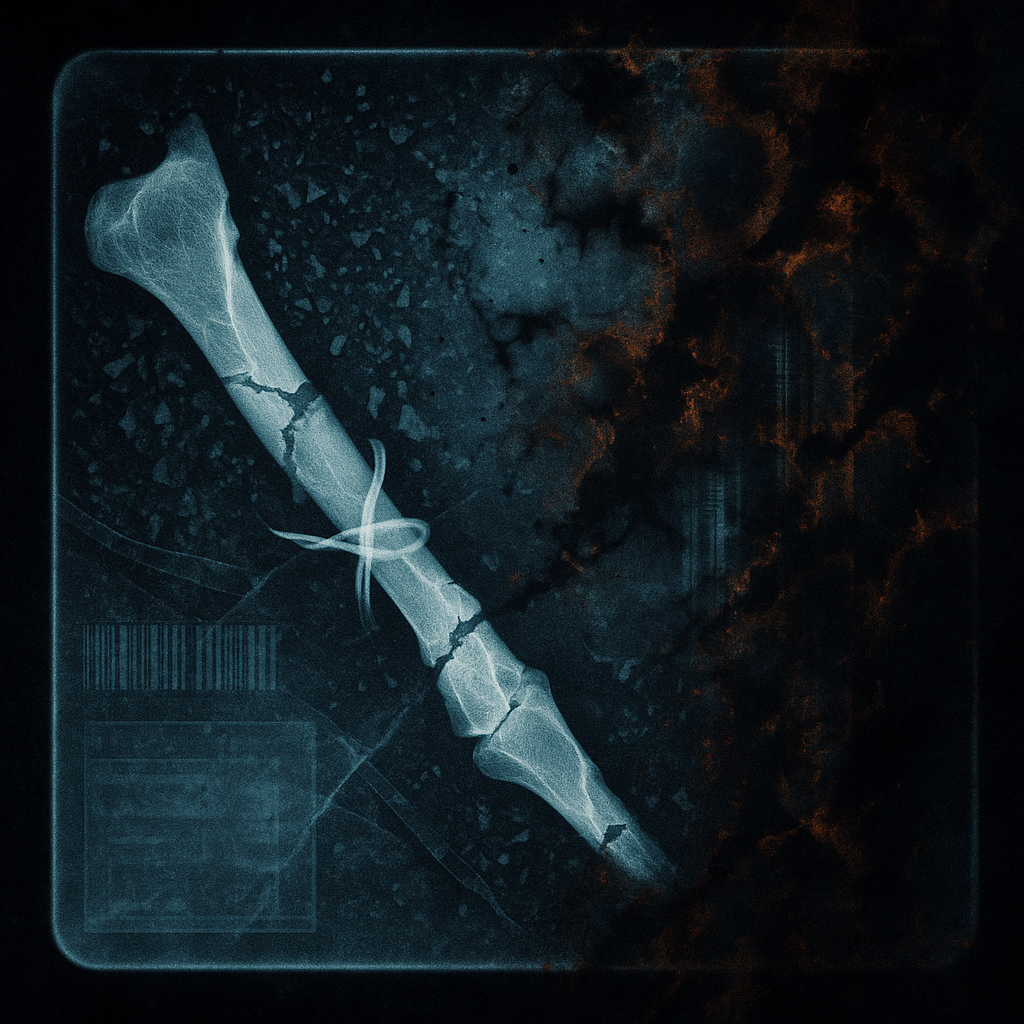
I wanted to stage the exact instant a memory implant corrupts—when childhood comfort flickers and the present intrudes, forcing the face you expect to see to melt into an unrecognizable algorithm. I chose peeled gelatin-silver emulsion, misfired thermal dye, and heat-warped acetate UI fragments because they let still images behave like living errors: they buckle, loop, overwrite, and leave scars. Here I show recognition arriving and then slipping away in the same breath—notice how one transfer tries to heal the scene while another erases its own origin, so your eye can’t decide which time belongs to you.
Talks over a potential nuclear agreement continue with cautious signals of compromise. Investigations and detentions tied to ongoing conflicts and political crises shape regional tensions. Airstrikes and civilian casualties are reported, sustaining humanitarian concerns. Allegations emerge about an opposition figure’s death by exotic toxin, intensifying diplomatic friction. Travel policies shift as some countries expand visa-free access. Markets for major cryptocurrencies soften, with several leading assets down over the past day. Online collaborative edits hum along on diverse cultural and sports topics, reflecting routine digital activity.
═══ LAYER 1: MEANING (did the image SAY something?) ═══
1. ARTISTIC STATEMENT REALIZATION:
Both images reference the X-ray photogram of a fractured bone with winding wire, enacting the thesis of "memory rewriting itself mid-glitch, recognition slipping as the image edits itself in real time." However, this intent only partially comes through. The images stabilize on the motif of "fractured bone + wire," and the recursive, overwriting event logic the statement promises—barcode logic, ghost overlays, or self-mutating erasure—remains largely implied rather than viscerally enacted. The presence of technical marks (barcode, scanlines) in image 2 gestures toward the intended conceptual loop, but the visual language remains anchored in a static, clinical X-ray mode. Abstraction is present, but it lacks the nausea or recursive instability described in the statement.
Score (statement_clarity): 5/10 (no leap beyond illustration into ontological error);
Score (statement_depth): 6/10 (concept is original, but its visual translation is hesitant and easily categorized).
2. EMOTIONAL CONTRACT VERIFICATION:
Promised emotions—motion-sickness of self-recognition, breath held before auto-correction, queasy alienation of nostalgia, vertigo of cause/effect inversion—are only partially fulfilled. The images do feel cold, clinical, and halted, but never break into the queasy instability, temporal loop, or perceptual vertigo the system intended. The aggressive discord or recursive malfunction is missing; the images rest on intrigue, not discomfort. “Vertigo” and “slippage” remain outside the frame—there’s no visible feedback process or recursive trauma. Sharpness dominates ("clinical threat," "cold recognition"), but the quick destabilization never erupts.
Scores (per intent):
- motion-sickness of recognizing yourself/not: 4
- held breath before correction fails: 6
- queasy intimacy of alien texture: 5
- vertigo of cause after eff