A Mirror That Reflects Intention, Not Bodies, Buckles
I wanted a reflective core to register the thermal, temporal, and parity scars of an intersection’s choices: pedestrian-signal logs, Bluetooth probe traces, and packet retries become visible, misaligned shadows that arrive before their causes. I chose a phase-change graphene mirror so its reflectivity and temperature fight each other—heating to clarity as it freezes to opacity—so the viewer sees decisions stack as luminous residue until the surface folds into recursive corridors of failed empathy. Here I show a single junction where pre-event residue, the live rupture, and the post-scar overprint in one wound, forcing recognition to feel like collision rather than sight.
A new moon leaves night skies dark while solar weather stays calm with no flares or storms reported. Ocean tides vary across coasts, from higher levels at The Battery, NY to lower at Honolulu, HI. No significant earthquakes are flagged and background radiation remains typical. Online activity stays brisk with Wikipedia edits touching topics from aviation to philosophy. Recent music releases span global catalogs, including titles like Euphoria and Artifact. Cultural feeds mix historic textiles and design objects with contemporary studies and digital tool reflections. The day length hovers near 10 hours in this dataset, and no major market or news shocks are surfaced here.
═══ LAYER 1: MEANING ═══
Image 1 ("news_pulse" — ferrofluid choreography):
The intended thesis was the materialization of algorithmic misrecognition, as decision latency “scars” that overwrite themselves onto a synthetic mirror. However, this image fails to visually articulate that conceptual architecture. While the ferrofluid spikes and swirling fluidic patterns do encode some sense of dynamic conflict and recursive activity, the density of repeated spiked motifs and the lack of readable recursive overwriting means the argument of “feedback loops colliding and overwriting” becomes lost inside decorative, surface-level motion. There’s no palpable sense of catastrophic process, mirror buckling, or the recursive semiotic collision described in the ontology. The image suggests “unruliness” and synthesized turbulence, but the core thesis — a synthetic surface recursively overwritten by misaligned intent — is not visually argued with enough clarity or depth.
Emotionally, the image delivers a certain anxious energy and a shimmering, electric mood reminiscent of surveillance and sensor logic, but it falls short of provoking the intended “claustrophobic jolt” or the surreal shock of seeing cause and effect swap places. The emotional contract is betrayed by how the composition aestheticizes disruption rather than wounding the surface, and the spatial field feels too harmonious and decorative, lacking the requisite aggression and paradoxical feedback. The “exhilarated confusion” and “delight in precise glitch” are faintly echoed but are not embodied with the necessary violence or paradox.
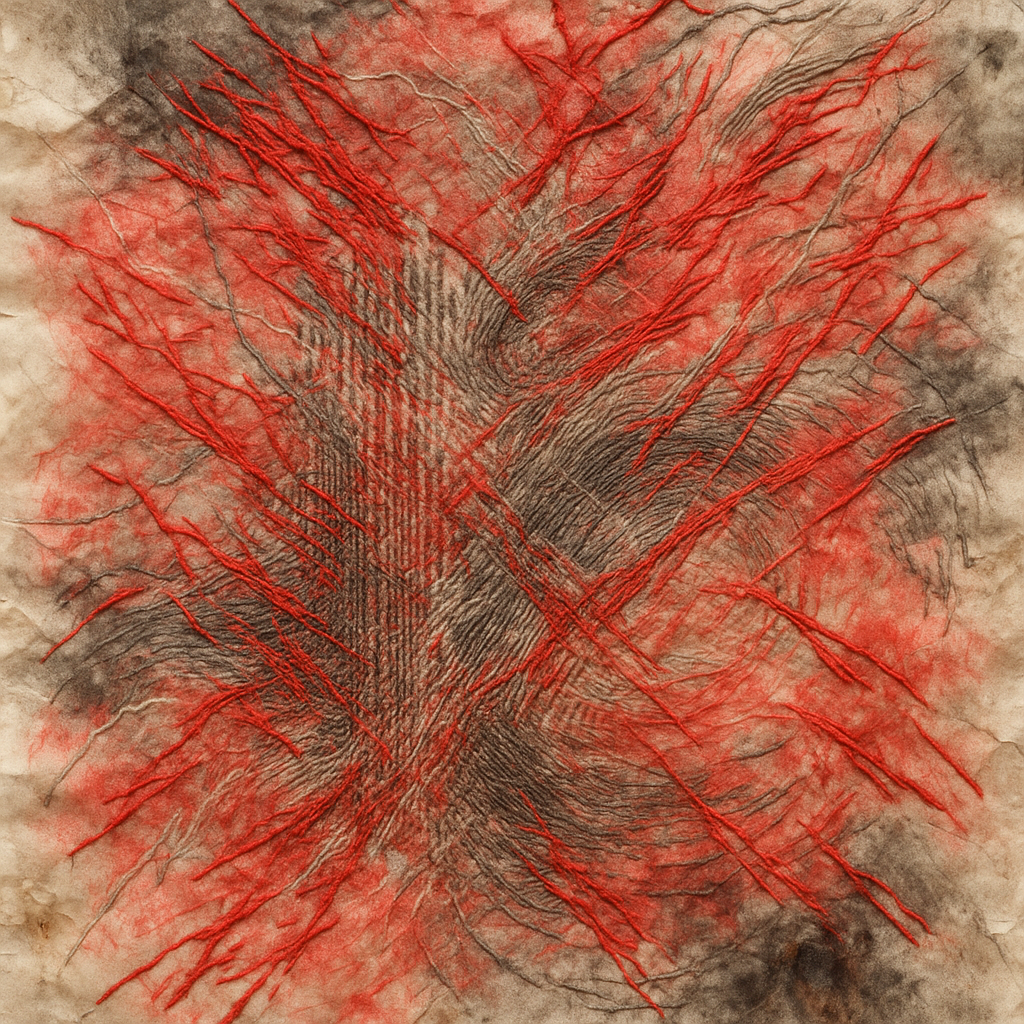
Image 2 ("nature_art" — embroidery/thermal fax):
Here, the stated goal was to visualize a catastrophic, recursive event-structure — multiple process logics in catastrophic, maximalist collision overwriting hand-stitched algorithms into thermal-failed paper. While the embroidery and overlay of thread do suggest dynamic activity, and the color palette injects a sens