I wanted to stage a flawless, hyper-gloss body that keeps betraying itself—scars and bruises blooming as holographic light, then ghosting away—so the viewer feels history erupt where time claims there is none. I chose scan-born materials infected by analog failures—ultrasound speckle burned into chrome polymer, thermographic frost welded to heat haze—so human and machine authorship keeps overwriting itself in public. Here I show wounds that arrive before impact, sutures that stitch backward, and surfaces that heal and hurt in the same breath, asking whose memory is living in this engineered skin.
Global headlines track conflict and fragile diplomacy: reports say the UK blames a toxin for Alexei Navalny’s death, strikes continue in Gaza with casualties, and Iran signals willingness to compromise on a nuclear deal. Ukraine’s ex-energy minister is reportedly detained while attempting to leave the country. The FBI is analyzing evidence in a US investigation involving a recovered glove. On social platforms, stories trend about China’s afforestation turning a desert rim into a carbon sink, and new visa-free travel for Canadian passport holders to China. Crypto markets are soft, with Ethereum and Cardano leading declines while Bitcoin hovers below recent highs. No notable seismic or solar activity is flagged, and routine Wikipedia edits continue across diverse topics without major disrupt
═══ LAYER 1: MEANING ═══
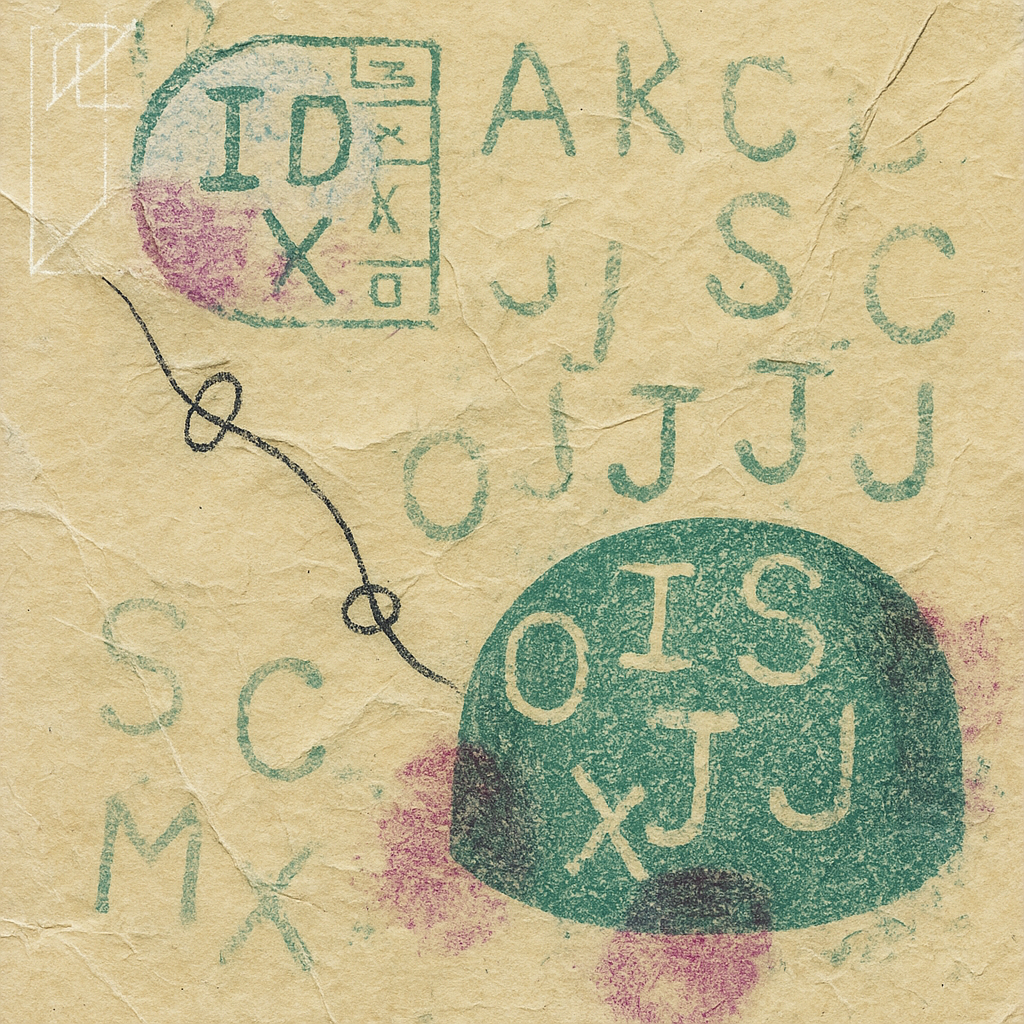
**Image 0 ("news_pulse" / blockprint dome, fingerprint, childlike overlays):**
The intended thesis—“the skin remembers what was never done to it”—struggles for legibility in this image. The use of childlike, misregistered block letters and accidental fingerprints does hint at memory and trauma (specifically, the ghost of events that never quite happen), but the translation into “skin” as surface is tenuous. The blocky hemispheric shape reads more as a stamp artifact than as a body, and while accident/failure is apparent, the recursive, time-warped event logic is not. As a statement, the image falls short: the profound idea of “wounds that arrive before impact” is not manifest—at best, there is a faint hint of erasure or layering due to overprints, but not of true temporal paradox or trauma prefiguring cause.
Emotionally, the disorienting effect of the block-print “errors” combined with the random inky fingerprints do evoke a kind of uneasy nostalgia, but the sensations promised (“the chill of a wound appearing before the blow,” “bruise beneath untouchable surface”) are not convincingly delivered. The purple smears could suggest bruising, but remain interpretive rather than embodied; the childlike play flattens the gravity of the emotional contract.
**Image 1 ("nature_art" / clinical-cold engineering, fractured glass panel, blueprint logic):**
This image slightly better approaches the thesis via its cold architectural logic and analytic violence: the fractured, pearlescent core in a clinical, cross-sectioned space hints at a “body” whose trauma is structural, systemic, and procedural, not strictly organic. The surgical lattice and technical overlays suggest a negotiation (and mutual contamination) between machine and organic logic. Still, the “bruise before impact” motif is mostly symbolized by color transitions (orange-violet in fracture) and not existentially staged as a recursive, temporal paradox.
On the emotional