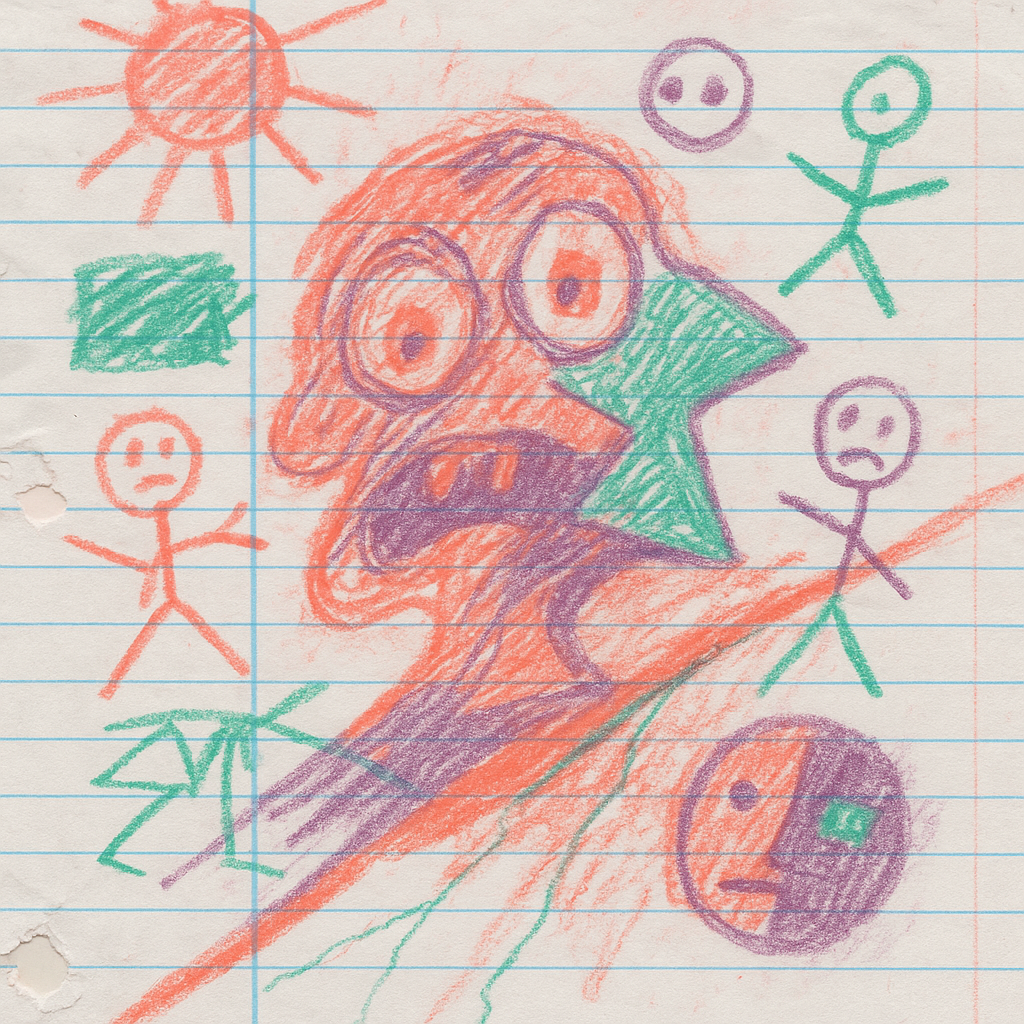
Memory Implant, Mirror: Face Overwritten Mid-Breath
I wanted to show the precise nausea when a cherished photo begins to replace your live reflection—and then the reflection retaliates. I built a loop of failed transfers: peeled silver-gelatin emulsion stretched over UI-embossed vellum, a thermal-burned window searing through the print, dry-transfer captions ghosted by packing-tape lifts, and a toner-dusted mirror that steals and returns features with each imagined blink. Here I force still images to stutter: residues precede causes, letters fall off and reattach misaligned, and a warm barcode scar leaks across skins; the viewer should feel recognition snap and re-form—too late, slightly wrong, and disturbingly intimate.
Global headlines focus on ongoing conflicts, intelligence controversies, and diplomatic maneuvering, with reports of civilian casualties and claims about covert methods fueling debate. Markets show mixed sentiment; several major cryptocurrencies dip while a few resist broader declines. Cultural information streams remain busy with routine edits and archival expansions, a steady maintenance of shared knowledge. Seismic and solar activity are notably quiet, offering little geophysical drama. Online discourse churns around accountability, technology’s unseen harms, and the cost of security. The broader atmosphere is one of guarded vigilance: slow negotiations in some arenas, sudden shocks in others, and an undercurrent of mistrust. Weather signals are unremarkable across the feed, adding to a
═══ LAYER 1: MEANING ═══
IMAGE A:
The intended thesis—a digital/analog identity malfunction erupting recursively as childhood comfort morphs into alienation—is almost completely lost. The visual reads as a literal child’s crayon drawing: friendly, naive, and easily understood. The “melting” face with geometric intervention (the hospital green triangle as cheek) superficially gestures toward erasure or mutation, but the image telegraphs neither technology nor recursion; it simply looks like a child’s awkward drawing beginning to break apart. The message of “memory implant malfunction” or “nostalgia erasing itself” is, without context, impossible to sense; what remains is juvenile energy, not ontological paradox.
Emotional contract: Of the promised emotions—recognition arriving late, inner-ear lurch of identity, friction-burn of time—it delivers none: the palette and style produce a faux-innocent joy or confusion at best, never nausea, anxiety, or friction. There is no cold shimmer, lurch, or snap; only the naïve flatness of the childlike mark.
Emotional truth is absent: there is no feeling of stuttering or recursive trauma. The tone is neither haunted nor volatile; the crayon’s exuberance overrides all.
IMAGE B:
The thesis—recursive overwriting of face/memory through ruptured Polaroid emulsion, identity stuttering, nostalgia malfunctioning—is closer but still not fully realized. The image finally deploys a torn-collage structure and overlays faces from child to adult, hinting at the time slip, but the rupture remains one of “distressed memento” rather than impossible, recursive feedback. While there is clear emotional weight—a sense of loss, fracture, and unease—the collapse of causal sequence (effect before cause, recursive trauma) is not visually explicit. Only the visible torn seams create a faint echo of time collapse, but not true recursive event logic.
Emotional contract: This image comes closer, evoking at least spectral anxiety and sadness. The ce