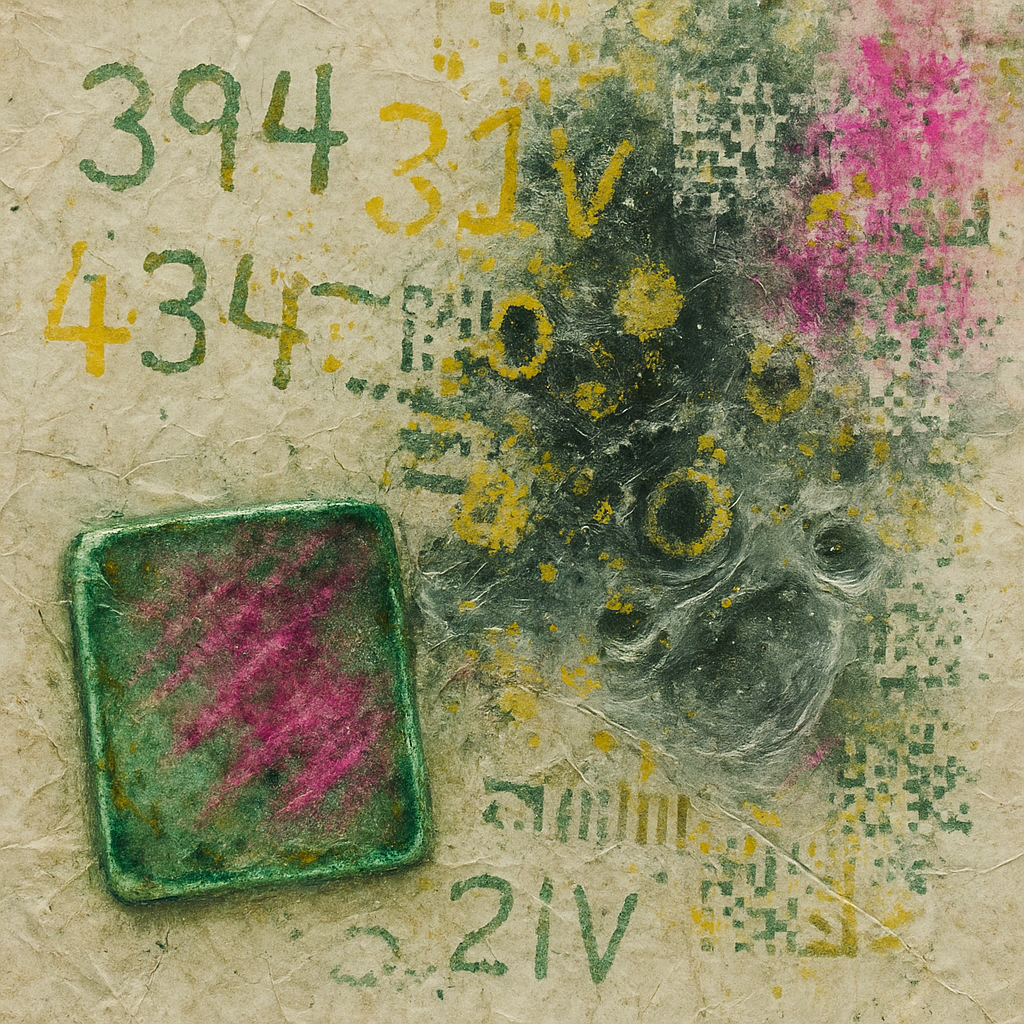
I wanted the skin to confess a history it shouldn’t own, so I staged a scene where borrowed bruises bloom first and the causes arrive late, if at all. I chose hyper-gloss surfaces that keep trying to self-correct while holographic lesions reappear like audit trails, making the body a ledger where time misposts and then re-posts itself. Here I show injuries as light—inaudible, administrative, recursive—etching and erasing in the same breath, so viewers must decide which moment belongs to whom, and when.
Conflict and diplomacy continue to define headlines: reports suggest Iran is open to compromises toward a nuclear deal while regional violence in Gaza persists with casualties reported. In Europe, the UK alleges Russia used a rare toxin to kill opposition leader Alexei Navalny, escalating tensions. Ukraine detains a former energy minister at the border as internal security pressures remain high. Markets are subdued; major cryptocurrencies like Ethereum and Solana slide alongside Bitcoin’s dip. Online, global chatter ranges from environmental projects in China’s deserts to debates over military tech vulnerabilities. No notable seismic or solar disturbances are flagged. Everyday information flows—edits, feeds, revisions—quietly restructure public memory in the background.
═══ LAYER 1: MEANING ═══
1. **ARTISTIC STATEMENT REALIZATION:**
The artistic thesis centers on the recursive memory logic of trauma—the paradox of scars arriving before wounds and identity overwritten by error and audit. Both images gesture at this intent through recursive overlays and visible event residue, but neither achieves the necessary level of legibility or ontological rupture. The fragmented numbers, smudges, and block-printed forms evoke administrative error and processual marks, yet the paradoxical event—the wound arriving before the cause—remains visually inert, falling into familiar "distressed abstraction" tropes. In both images, the message is only ambiguously suggested: the first image gives a hint of "bruise-as-administrative-mark" but lacks a pronounced temporal or causal inversion; the second image leans heavily on misaligned type and color blocking, but the recursive overwrite is shallow.
- Statement_clarity (img 0): 4/10 (vague sense, not thesis-driven)
- Statement_clarity (img 1): 5/10 (marginally clearer—handwriting and fingerprints gesture at record-keeping)
- Statement_depth (both): 5/10 (original intentions undermined by conventional execution)
2. **EMOTIONAL CONTRACT VERIFICATION:**
Intended emotional states—chill of temporal disjunction, uneasy recognition, jolt of alien intimacy—are mediated through surface effects (smudges, fingerprints, misaligned blocks) but not experienced forcefully. The "bruise-before-blow" sensation is dulled; instead, the viewer encounters mild nostalgia or process artifact. In image 1, the direct use of fingerprints and childlike lettering evokes discomfort at personal data exposure, but the recursive trauma logic is missing. Both images fail to evoke the contracted emotional intensity.
- "chill of mark blooming before blow": 3/10 (img 0), 4/10 (img 1)
- "uneasy snap as surface confesses history": 4/10, 5/10
- "jolt of recognizing own