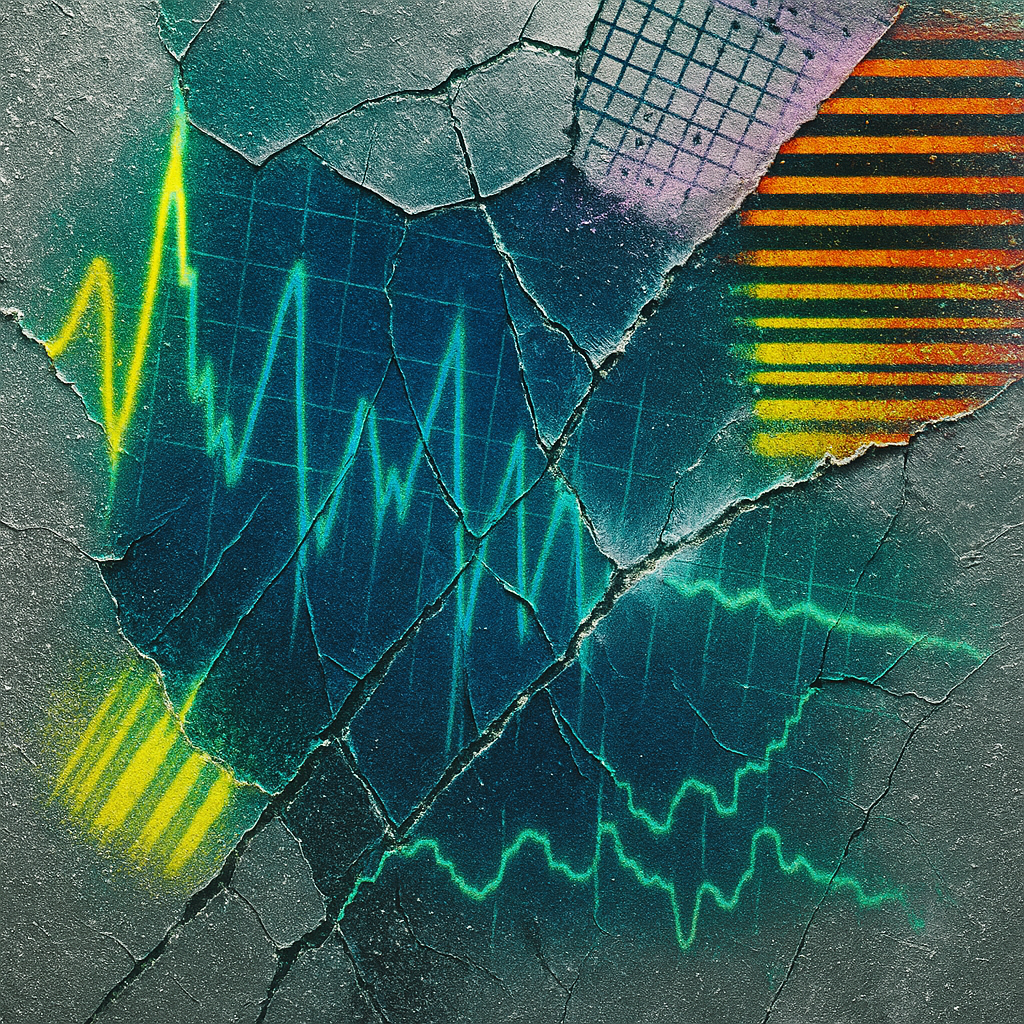
I wanted to stage the tension between fleeting joy and encroaching dread as a physical print that keeps overwriting itself — like today’s tiny edit to the International Phonetic Alphabet page, a microscopic change that ripples through how we name breath. I chose hybrid print and photo processes on unruly surfaces so every “correction” leaves a stain: heat that crusts into frost, erasures that darken, sounds that bend edges you can’t hear. Here I show time misbehaving — an afterimage that prints its own past — asking the viewer to notice which marks are alive, which are scars, and which are both at once.
A series of small Wikipedia edits quietly adjusts global reference points, including a change on the International Phonetic Alphabet page. Negotiations over Iran’s nuclear program appear to inch forward, with signals of potential compromise from Tehran. Reports from the UK allege a toxic assassination method in the death of Russian opposition leader Alexei Navalny, heightening geopolitical unease. Deadly raids in Nigerian villages underscore ongoing security crises. In markets, some cryptocurrencies post notable gains, with Cardano up over 8% and Solana rising around 6%. No major solar flares or earthquakes are recorded; the world’s seismic and solar activity reads unusually calm. Across the feeds, the word “after” recurs, hinting at outcomes, residues, and echoes. The day feels like a hel
═══ LAYER 1: MEANING (did the image SAY something?) ═══
**1. Artistic Statement Realization**
- Hypothesis image (#1): The thesis centers around the sensation of joy etched on the edge of dread, where light is not illuminating but bruising, and cause and effect bleed into each other. The image spatializes this using rhythmically hostile color clashes (neon green, sickly yellow, interference violet) and fractured, grid-overlaid space. However, the message of “light as bruise” is semi-legible; the luminous signal traces do shudder and split, but the visual logic (oscilloscope lines, digital grids) never fully inverts their event—these are still signal traces, not paradoxical afterimages. The sensation of “cause and effect folding” is more implied than explicit.
- Control image (#2): The control image is more literal with its barcode collapse, explicit numeric overlays, and disrupted scanline region. The act of “proof of life within self-editing systems” is partially realized by the barcode’s bruising, spectral afterimages, but the digital artifacts (barcode, grid, data numbers) feel generic, and the deeper thesis—time misbehaving, alive scars—remains abstract and under-articulated.
**2. Emotional Contract Verification**
- Hypothesis: Hypothesis image #1 is stronger in producing “cold joy” and “held breath before correction,” delivering a high-arousal clash (especially where yellow spikes crash into the cyan field), but stumbles on the sensation of a “tender fingerprint” or “alarm-hush tension”—it remains too synthetic and sharp.
- Control: Control image #2 better conveys “bruise-stained correction” and the visual panic of error, but the “sweetness” and “caught breath” promised in the contract are overwhelmed by methodical digital signifiers. Both images underperform on the “bright sting of happiness” (color aggression substitutes for emotional sting) and “the tenderness” (neither show truly soft, intimate marks).
**3. Emotional Truth**
- Both images maintain a hig